Local AI workspace
Melix
Register models, start local servers, chat offline, train LoRA adapters on your own data, then benchmark and evaluate the results — in one native macOS app and command line, on Apple Silicon, with nothing leaving the Mac.
Laplace imagined an intellect vast enough to know every force in nature. We work from the other end: models small enough to train, run and check on hardware people already own, and honest about how sure they are.
01gua — Released
4Bparameters: Qwen3.5-4B with a rank-8 LoRA on every linear layer of the language model
30.294 → 0.060calibration error of its action answers, before and after temperature scaling
2Screenshot · System Settings
Task
Turn on Dark Mode
Done so far
Probability the next action is a click
0.94
Probability the next target is element 15
0.60
Schematic. Probabilities from the example in the model card.
Show it a screenshot, a task and the last few steps. It names the kind of action that comes next and the element on screen it should act on, with a calibrated probability for every option — so an agent can act on the answers it is sure of and ask about the rest.
grounding accuracy on the half of its answers it is surest of, against 0.524 on all of them
Its training questions were drawn from 32,730 steps cut out of 374 public screen-recorded tutorials, across seven kinds of software from Blender to Logic Pro. It was tested on 9,972 steps from 99 videos it never saw.
02Why
The strongest models live in data centres; most people, labs and small companies do not. Between them sit concrete numbers: the memory a model needs, the time an answer takes, the cost of adapting it to a new task, the trust it deserves on any given guess.
We work on those numbers — in models, in the data that trains and tests them, and in the systems that run them.
03Also released
Local AI workspace
Register models, start local servers, chat offline, train LoRA adapters on your own data, then benchmark and evaluate the results — in one native macOS app and command line, on Apple Silicon, with nothing leaving the Mac.
On-device dictation
Press a hotkey, speak, and the text lands in whatever field you are typing in. Speech is recognised on the Mac, with several local engines to choose from, including Qwen3-ASR for mixed Chinese and English.
04Research
Capability
Released · gua v1, v2
Adapting open models to narrow, real tasks on modest compute, and calibrating them until their confidence means something.
In use internally
Turning public material into training data, then auditing it. Splits by source, confidence intervals, and a plain account of where a result stops holding.
Released · Melix, SayIt
Software that keeps the whole loop on one machine: running, serving, adapting and evaluating models, and turning speech into text, with nothing sent away.
people
05Method
gua was trained on one Mac, about 110 hours across two versions. The constraint is part of the result, so we report it with the result.
Its version-to-version comparison carries bootstrap 95% confidence intervals, paired by trajectory.
Its training labels were written by models, so a stronger model checked a sample from every topic, and the card prints what it found.
Dense professional interfaces defeat it: on Plasticity’s CAD toolbars it grounds 38% of elements. That is written down too.
06Public good

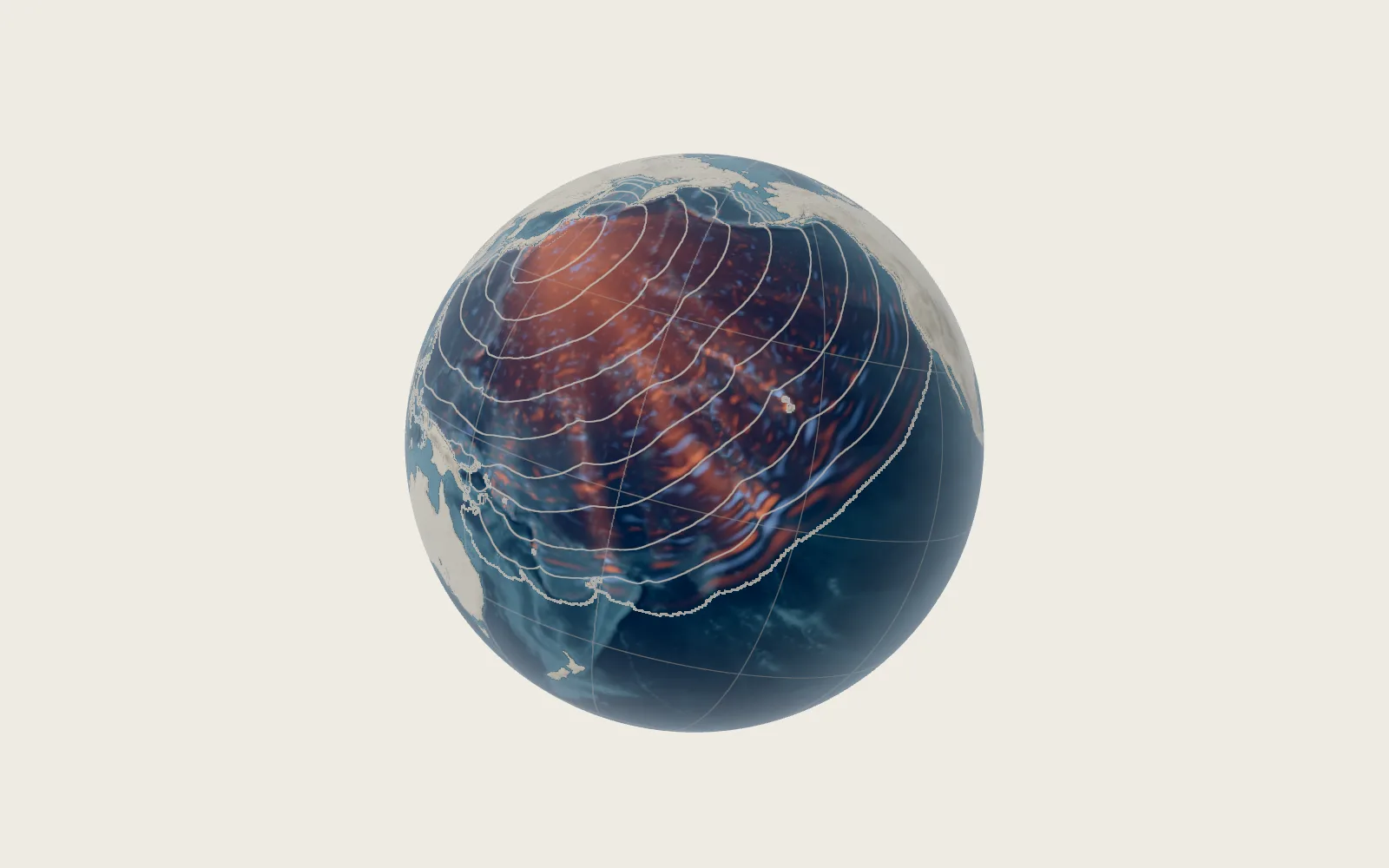
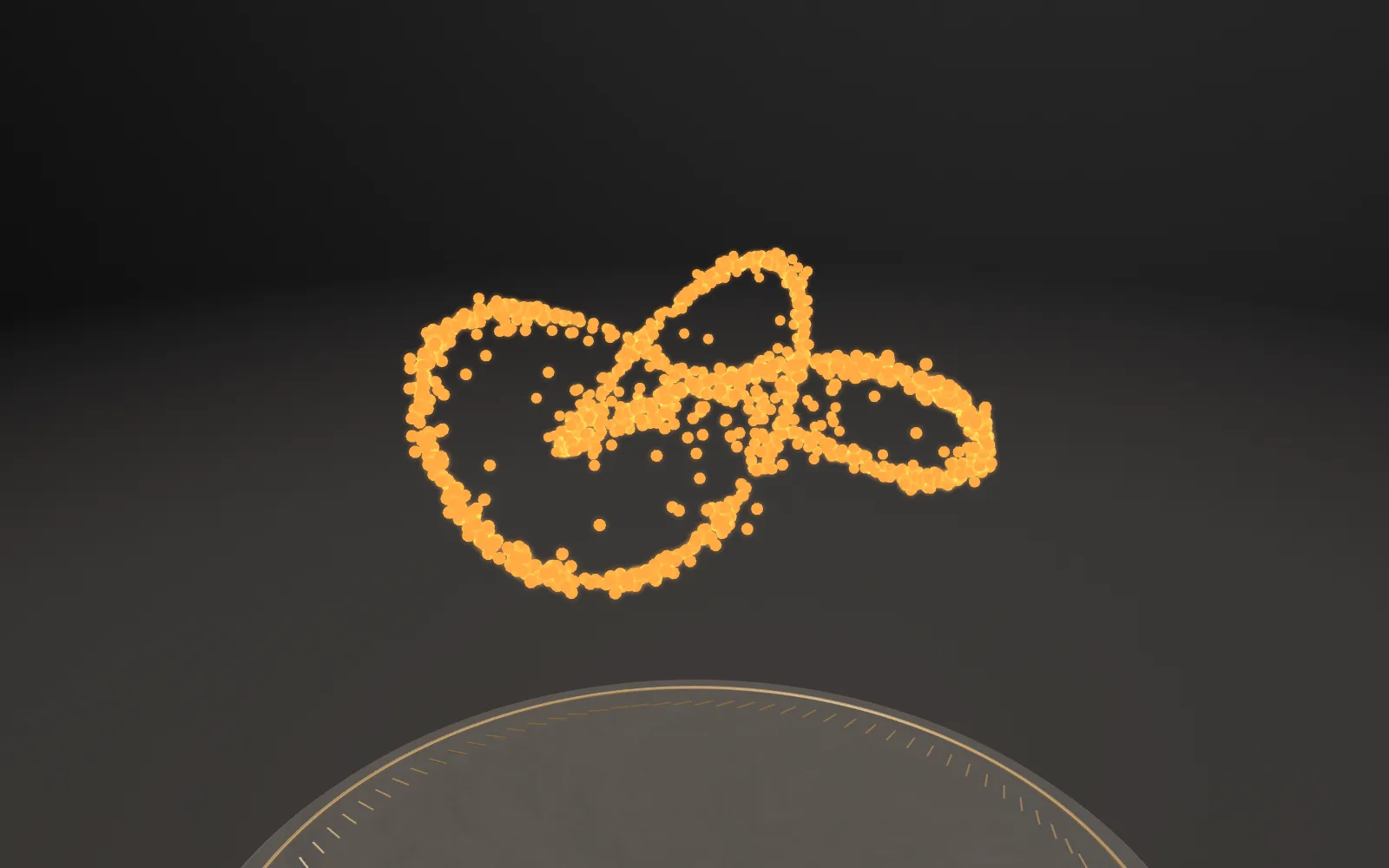
Our public-good project: forty-four working models of the world for young readers. A tsunami crosses the real Pacific seafloor, rain wears an island down, a diffusion model small enough to follow step by step draws pictures out of noise. Each plate pairs a short essay with a simulation children can turn, run and take apart, in Chinese and English.


07Collaborate
We want to hear from researchers and engineers working on small models, evaluation and on-device inference, and from teams with a real task and limited hardware.
Elsewhere Hugging Face · LaplAI world.lapla.si YouTube TikTok Douyin Xiaohongshu